
What Causes Acne? Understanding the Real Causes and How to Treat It
Introduction
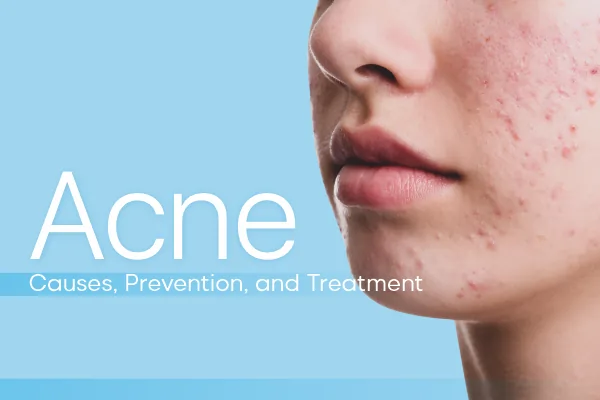
Acne happens when your pores get blocked with oil, dead skin cells, and dirt, which then creates the perfect environment for bacteria to grow and cause inflammation. That's it — that's the whole mechanism behind pimples, blackheads, whiteheads, and the deeper, more painful cysts some people get.
What makes acne frustrating is that it's rarely just one cause. Most people dealing with regular breakouts have two or three of these things happening at once — extra oil production, hormonal shifts, a build-up of dead skin cells, and sometimes diet or stress on top of it. Once you know which of these apply to you, choosing the right routine gets a lot less like guesswork.
What Causes Acne?
- Excess oil production. Your skin naturally makes an oil called sebum. When it makes too much, it mixes with dead skin cells and blocks your pores — the starting point for almost every breakout.
- Hormonal changes. Puberty, your monthly cycle, pregnancy, and conditions like PCOS can all increase oil production and trigger breakouts, which is why acne often flares at predictable times of the month.
- Dead skin cell build-up. Skin naturally sheds cells, but when they don't clear off fast enough, they clog pores from the inside.
- Bacteria. Cutibacterium acnes (formerly classified as Propionibacterium acnes) thrives inside clogged, oily pores. Once it multiplies, it triggers the inflammation that turns a blocked pore into a visible, sometimes painful pimple.
- Diet and lifestyle. Oily and spicy food, high sugar intake, poor sleep, and stress are all linked to more breakouts in some people — not everyone reacts the same way, but if you notice a pattern, it's worth paying attention to.
- Environment. Dust, humidity, and heat — daily realities in most of India — add to oil and grime build-up on the skin, especially if you're outdoors a lot or don't cleanse properly after.
Simple Ways to Prevent Acne
- Cleanse twice a day with a mild, non-comedogenic face wash — not more than that, since over-washing can actually make oil production worse.
- Don't touch or pop pimples. It spreads bacteria and increases the chance of scarring or dark marks.
- Cut back on junk food where you can, and add more fruit, vegetables, and water-rich foods to your day.
- Choose non-comedogenic, oil-free products — for skincare and makeup both — so you're not accidentally clogging pores with what you're putting on.
- Keep pillow covers and your phone screen clean. Both touch your face constantly and pick up oil and bacteria between washes.
- Manage stress where you can — yoga, breathing exercises, or just consistent sleep all genuinely help, since stress hormones can increase oil production.
What Actually Treats Acne
Topical ingredients are usually the first line of treatment, and each one works a little differently:
- Salicylic Acid — a BHA that works inside the pore to clear out oil and dead skin. Mystic Dust's Anti-Acne Face Wash uses 1% Salicylic Acid along with Tea Tree Extract and our AcneBusters™ blend, built specifically for daily use on oily, acne-prone skin.
- Niacinamide (Vitamin B3) — helps reduce inflammation and regulate oil production.
- Zinc PCA — supports oil control and has a calming effect on irritated skin.
- Alpha-Arbutin — mainly used for fading the dark marks acne leaves behind, not the active breakout itself.
- Tea Tree Oil — a natural antibacterial that helps keep acne-causing bacteria in check.
- Retinoids — increase cell turnover and are effective for both active acne and acne scarring, though stronger forms usually need a dermatologist's prescription.
For more stubborn or severe acne, a dermatologist may prescribe antibiotics, hormone regulators, or Vitamin A derivatives — these need medical supervision and aren't something to self-prescribe.
Professional, in-clinic treatments like chemical peels, laser therapy, and extraction facials can help with both active acne and the marks it leaves behind, usually alongside a consistent at-home routine rather than instead of one.
After the Breakout: Fading Dark Spots and Marks
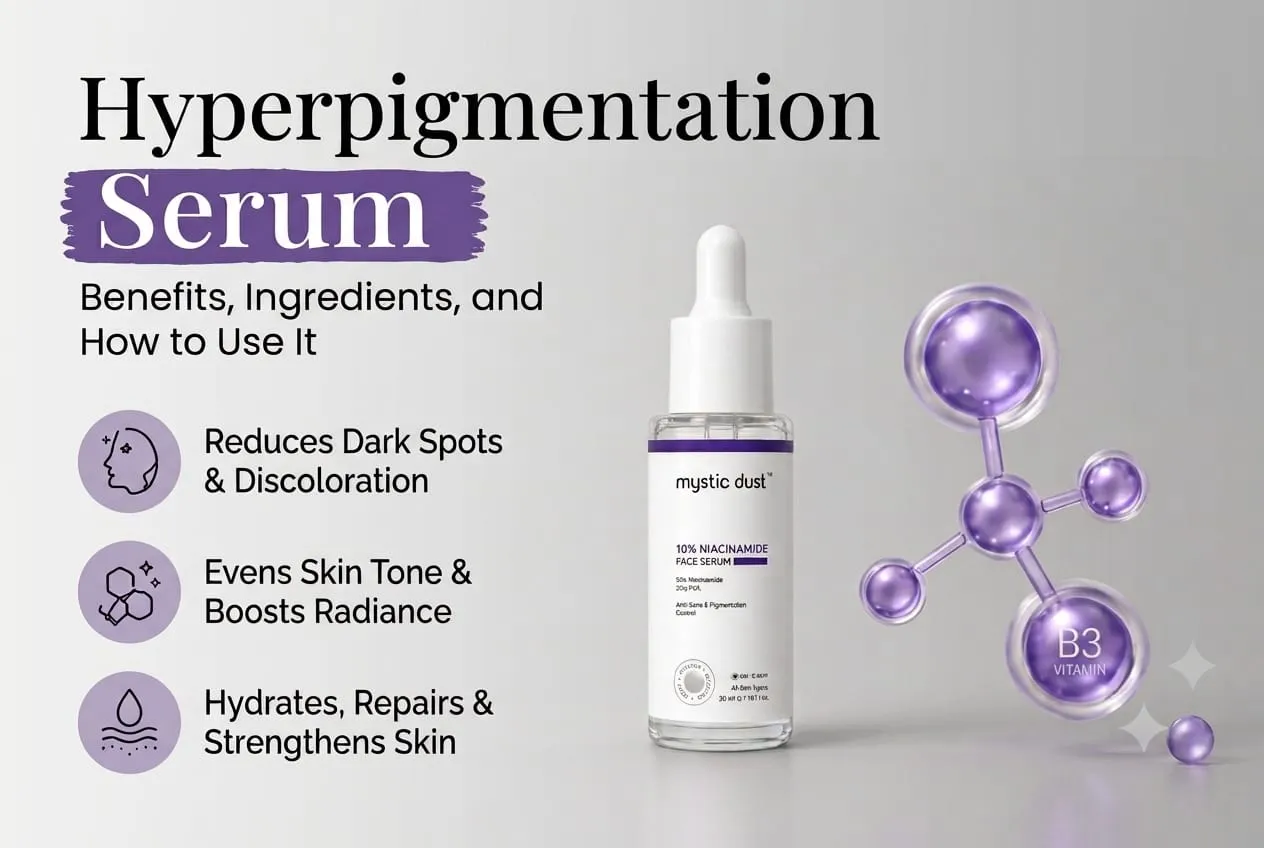
Once a breakout heals, it often leaves a flat dark or red mark behind — this isn't a scar, and it usually fades on its own, but it takes time and the right ingredients speed things up. Look for a serum with Niacinamide, Zinc PCA, and Alpha-Arbutin — Mystic Dust's 10% Niacinamide Face Serum is built around exactly this combination, specifically to fade post-acne marks after the active breakout has settled.
Daily sunscreen matters just as much here as the serum does — sun exposure is one of the biggest reasons post-acne marks take longer to fade, since UV makes existing pigmentation darker and slower to clear.
When to See a Skin Specialist
Home care and over-the-counter products handle most acne, but it's time to see a dermatologist if:
- Your acne is painful, spreading quickly, or starting to leave scars.
- You've tried over-the-counter treatments consistently for 8–12 weeks with no real improvement.
- Your skin condition is affecting your confidence or mental health — this matters as much as the physical symptoms, and a dermatologist can help with both.
Acne is one of the most common skin conditions there is, and it's also one of the most treatable — once you understand what's actually causing yours, preventing future breakouts and clearing the ones you have gets a lot more manageable.
Related Reading
- 7 Reasons Anti-Acne Face Wash Belongs in Your Skincare Routine
- Oily Skin Care Routine: Morning and Night Steps for Healthy Skin
Start with the Anti-Acne Face Wash, or get the complete routine with the Acne Control Routine — Salicylic Acid cleanser, Niacinamide serum, and sunscreen, all in one.