












 Aura-AI Assistant
Green tea’s polyphenol content is one of the better-studied plant antioxidants in dermatology. Here’s what it actually does for skin, and where in the Mystic Dust range it shows up.
Green tea extract is derived from the leaves of Camellia sinensis, rich in polyphenolic compounds (most notably catechins like EGCG) with well-documented antioxidant activity.
A peer-reviewed dermatology review of plant extracts used in skin care (Reuter J, Wölfle U, Korting HC, Schempp C. “Which plant for which skin disease? Part 2.” Journal der Deutschen Dermatologischen Gesellschaft, 2010) confirms that green tea, alongside other polyphenol-rich botanicals like witch hazel, “contain antioxidant polyphenolic compounds that may protect the skin from sunburn and photoaging when administered topically or systemically.” (DOI)
In practical terms: green tea’s antioxidants work by neutralizing the free radicals generated by UV exposure and environmental pollution — the same underlying damage pathway that contributes to premature fine lines, dullness and uneven tone over time.
All skin and hair types — it’s included as a supporting antioxidant rather than a treatment for one specific concern, so it works well as a background ingredient in daily-use formulas.
No real precautions — well tolerated across skin types at cosmetic concentrations.
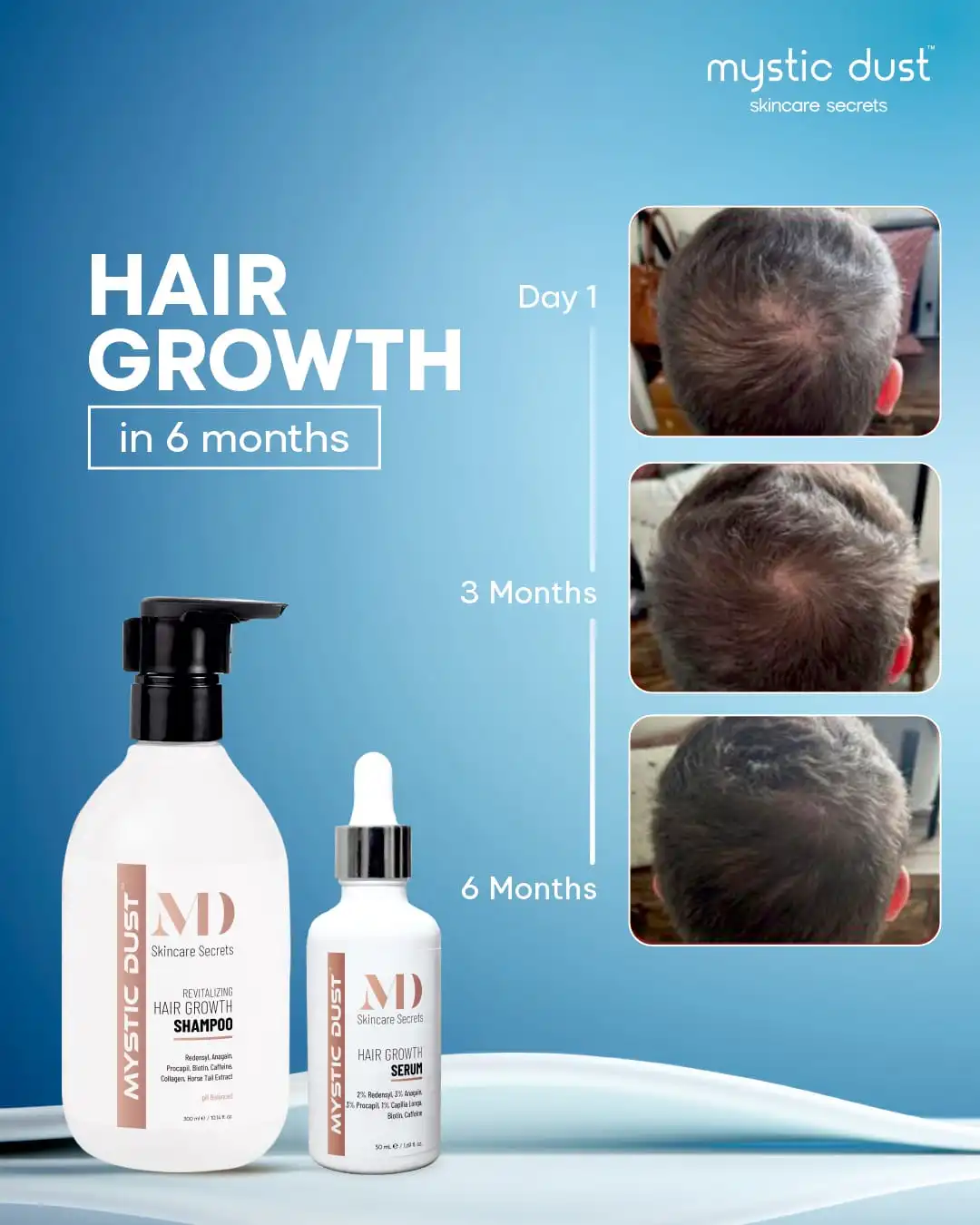
Formulated in Under Eye Gel and Hair Growth Shampoo. Also formulated intoDaily Defence Advanced Sunscreen Gel, where it’s paired with Tocopherol (Vitamin E) and Ferulic Acid as part of the formula’s antioxidant support system alongside its UV filters.
Vitamin C, Vitamin E, Ferulic Acid — other antioxidants that work through complementary mechanisms, already paired with it in the upcoming Daily Defence formula.
Nothing specific.
According to PubMed: -
Reuter J, Wölfle U, Korting HC, Schempp C. “Which plant for which skin disease? Part 2: Dermatophytes, chronic venous insufficiency, photoprotection, actinic keratoses, vitiligo, hair loss, cosmetic indications.” Journal der Deutschen Dermatologischen Gesellschaft, 2010;8(11):866-873. DOI

Copyright © 2024–2026, Oriens Health Pvt. Ltd. | All Rights Reserved




Give your friends a reward and claim your own when they make a purchase.